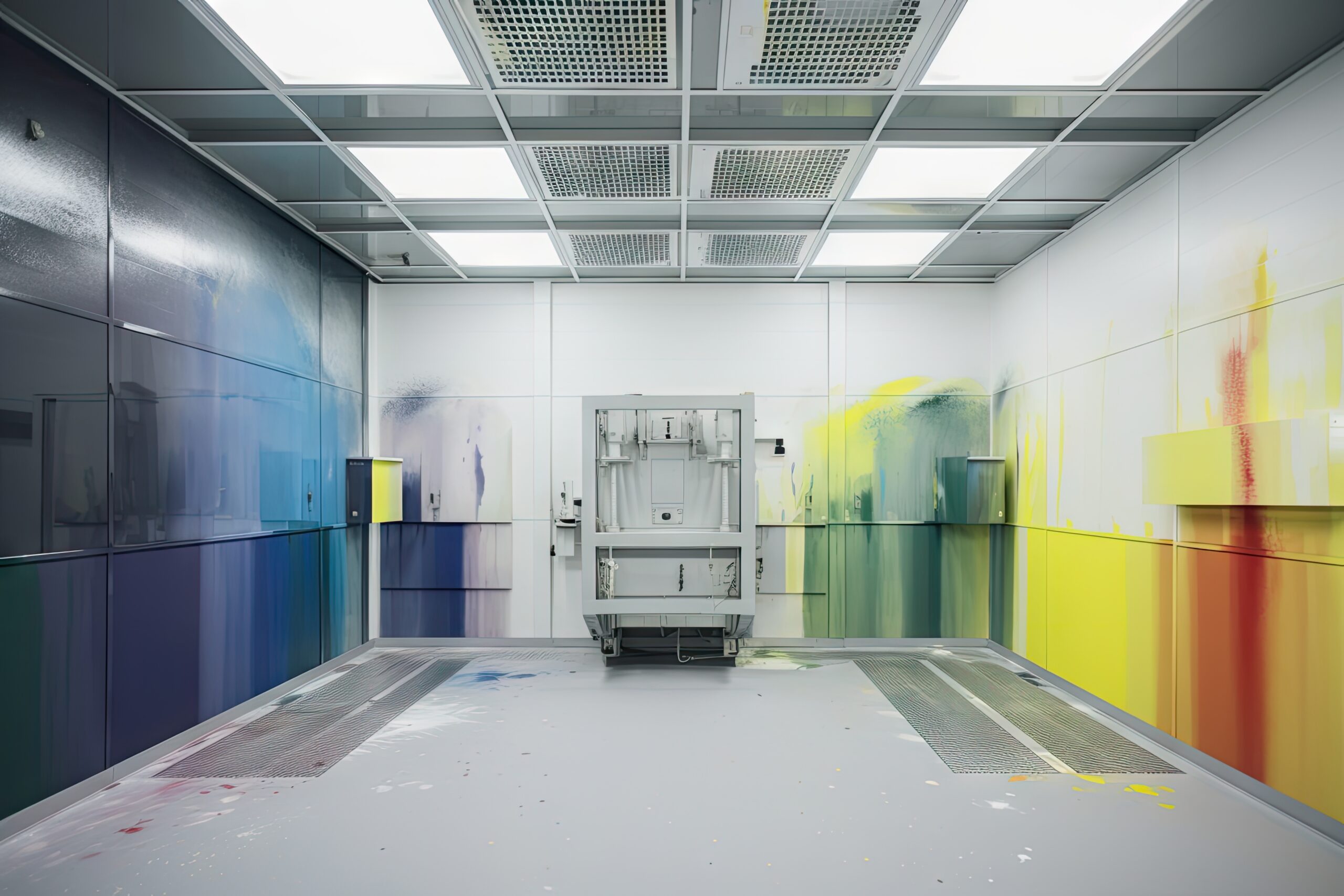
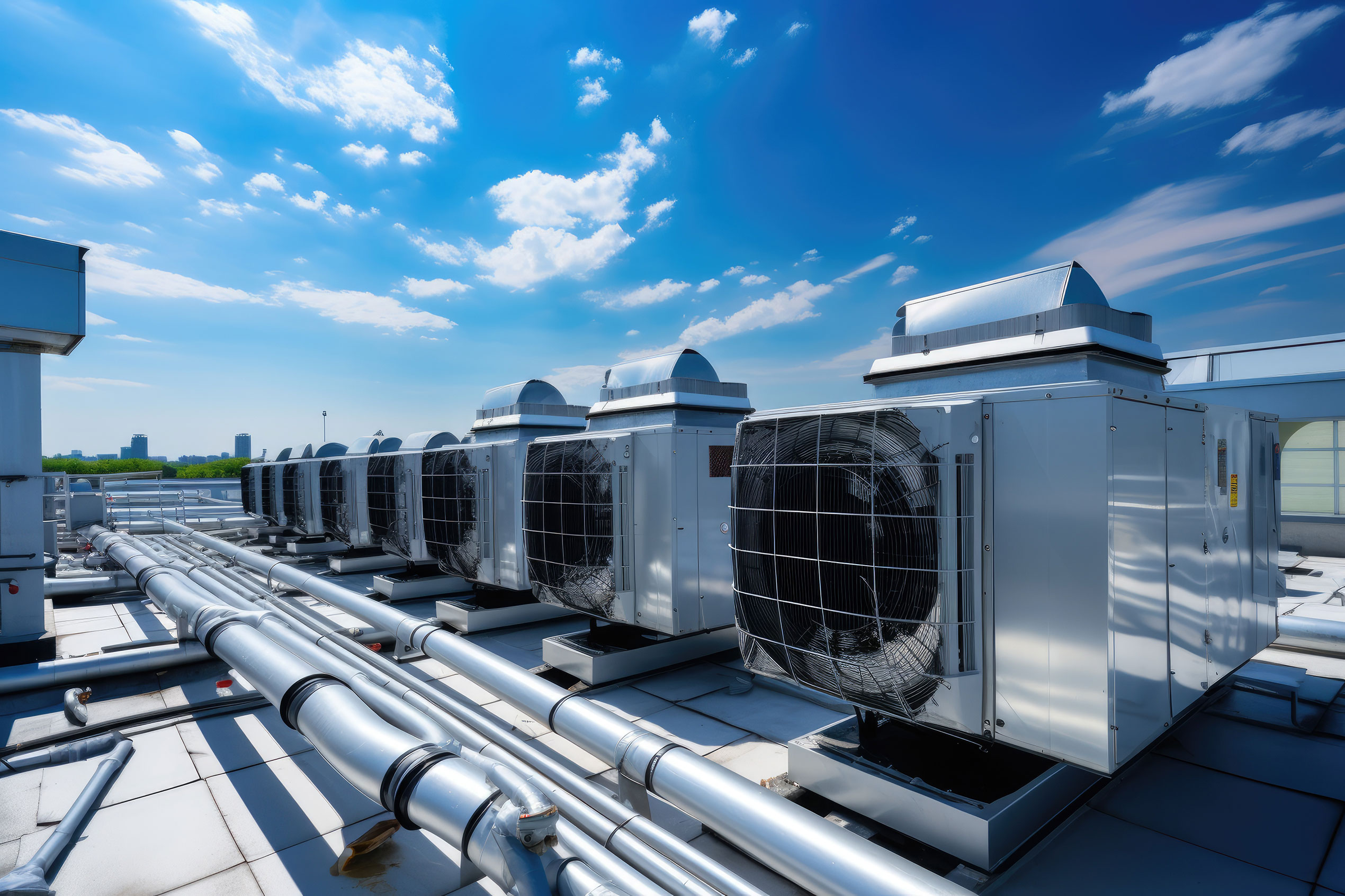
- Office buildings and business parks primarily deal with HVAC (comfort, air quality), lifts, electrical systems and M&R. A typical problem is variable occupancy and operating modes (hybrid working, peak periods). Here, a combination of scheduled maintenance (inspections, safety features) and operationally driven maintenance (e.g. filtration and HVAC based on actual load) pays off. Predictive maintenance is often applied to cooling systems and fans.
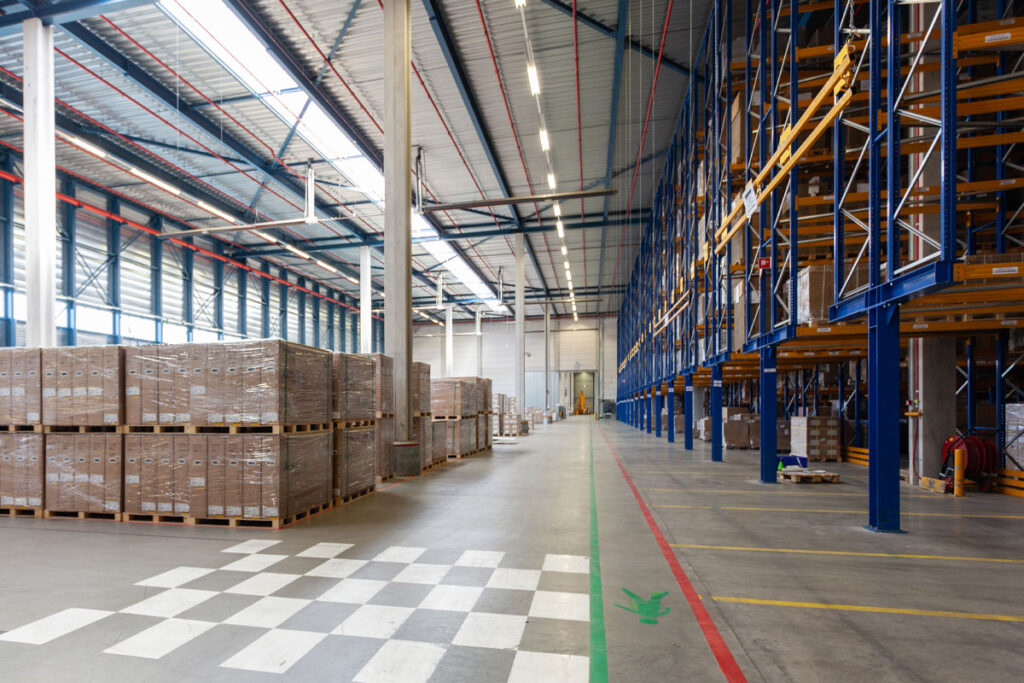
- Logistics and light manufacturing (warehouses, cross-docks, production halls) place high demands on continuity and safety. In addition to HVAC, gates, docks, lighting, sprinklers, compressors and, at times, process piping are managed. Here, there is a significant difference between ‘operations stopping’ and ‘operations continuing’. For this reason, there is greater investment in diagnostics and maintenance management via CMMS to ensure clear accountability and a record of interventions.
- Retail and high-traffic premises (shops, showrooms) are sensitive to comfort, aesthetics and the speed of repairs. Preventive maintenance protects reputation here. An air conditioning failure in summer or an escalator breakdown can have an immediate impact on turnover. Predictive maintenance is applied where there are recurring faults (e.g. units operating at full capacity).
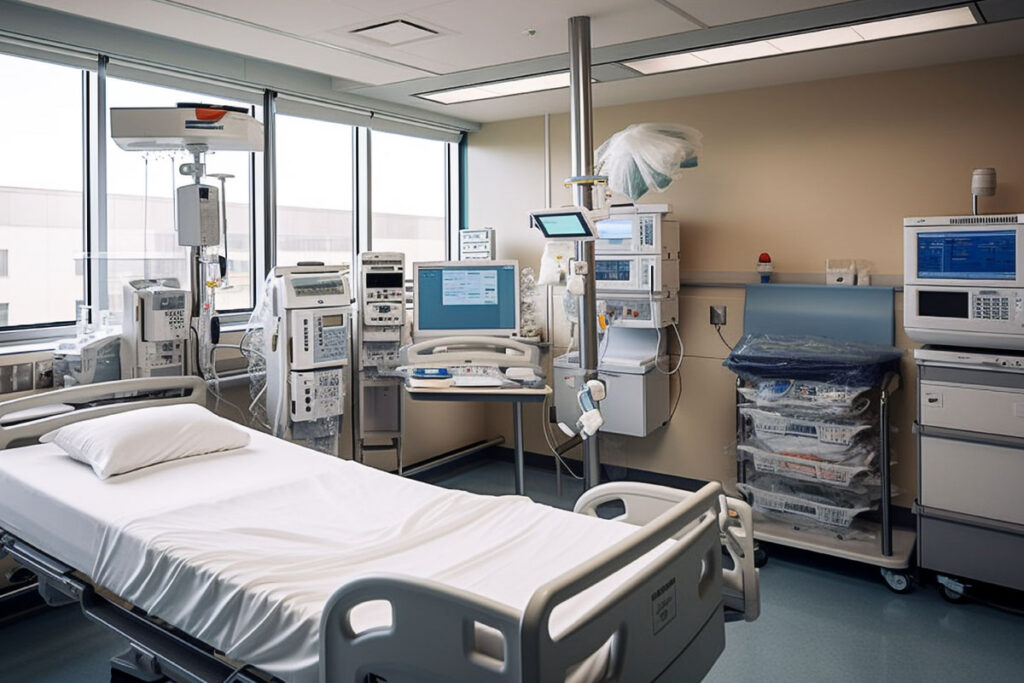
- Healthcare and critical infrastructure (laboratories, selected facilities) have stricter requirements regarding availability, validation and documentation. Here, the paper trail and the process are often just as important as the intervention itself. For many facilities, it makes sense to combine preventive maintenance with parameter monitoring and a clear escalation chain.
- Data centres are unique in many ways (cooling, UPS, backup power supplies, distribution systems). Online monitoring and rapid response to anomalies make a great deal of sense, as even a brief outage can be extremely costly. Predictive approaches are usually the norm here, as data is readily available and the criticality is high.


Comparison of preventive, predictive and reactive maintenance
| Type of maintenance | How it works | Main advantages | Risks / disadvantages | When is it make sense |
| Preventive maintenance | Scheduled interventions at intervals (time / operation) | Stable operation, predictable costs, longer service life of equipment | Risk of unnecessary interventions if intervals are not set correctly | Most building technologies, mandatory inspections, equipment subject to typical wear and tear |
| Predictive maintenance | Interventions based on equipment condition (sensors + data + analysis) | Fewer breakdowns, intervention at the right time, cost optimisation | Need for data, integration, expertise; incorrect interpretation of data can lead to false alarms | Critical equipment, rotating machinery, cooling/UPS/server rooms, where downtime is costly |
| Reactive (breakdown-based) | Repair only after failure | Low planning costs | High impact of faults, costly call-outs, risk of damage, poorer maintenance of technology over time | Non-critical equipment, ‘run-to-failure’ components (where a fault is not a problem and is inexpensive) |
How to create an effective preventive maintenance plan
A preventive maintenance plan is not just a calendar. It is a description of what needs to be done on which equipment, why it is being done, at what intervals, who is doing it, how the results are recorded and how they are evaluated. It can take the form of a table or an internal guideline, but it is most effective when integrated into a CMMS (automatic task generation, history, reporting).
Basic steps that work across a portfolio of buildings:
- Technology audit – Start with an inventory: list of equipment, manufacturer, type, year of installation, service documentation, location, accessibility, and operational links. Without a good ‘asset list’, maintenance management will always be lacking.
- Equipment criticality analysis – Not everything is equally important. Determine criticality based on the impact of a failure (safety, legislation, comfort, production), the probability of failure, and the complexity of repairs. Critical equipment is a candidate for a stricter regime and, where appropriate, predictive maintenance.
- Setting maintenance intervals – This is where the rubber meets the road. Use the manufacturer’s recommendations, but adapt them to your operations. For some equipment, time-based maintenance will be more suitable; for others, usage-based maintenance (e.g. based on operating hours). Continuously fine-tune the intervals based on failure history and operational data.
- Creating checklists – A checklist is not a formality. It is a way to make an intervention repeatable and comparable. A good checklist specifies what to check, what the expected condition is, what the tolerance is, what should be recorded (values), and when to escalate.
- Documentation – Without documentation, you have no control, just the feeling that something is being done. Records of interventions, measured values, replaced parts and causes of faults form the basis for optimisation and for demonstrating compliance.
- Evaluation and reporting – Monitor at least PM compliance (%), the number of faults, recurring faults, MTTR, costs, and, above all, trends for critical equipment. This is where the arguments arise as to why to invest in the quality of technology maintenance and why it pays off.
- Practical implementation – The maintenance plan must be linked to practical operations – with clear roles and responsibilities, defined mechanisms for escalating issues, availability of spare parts, scheduling of service windows, and effective communication with operations and tenants. The recommended approach is a pilot deployment on part of the portfolio, verification and fine-tuning of checklists, and only then a large-scale implementation across